Introduction
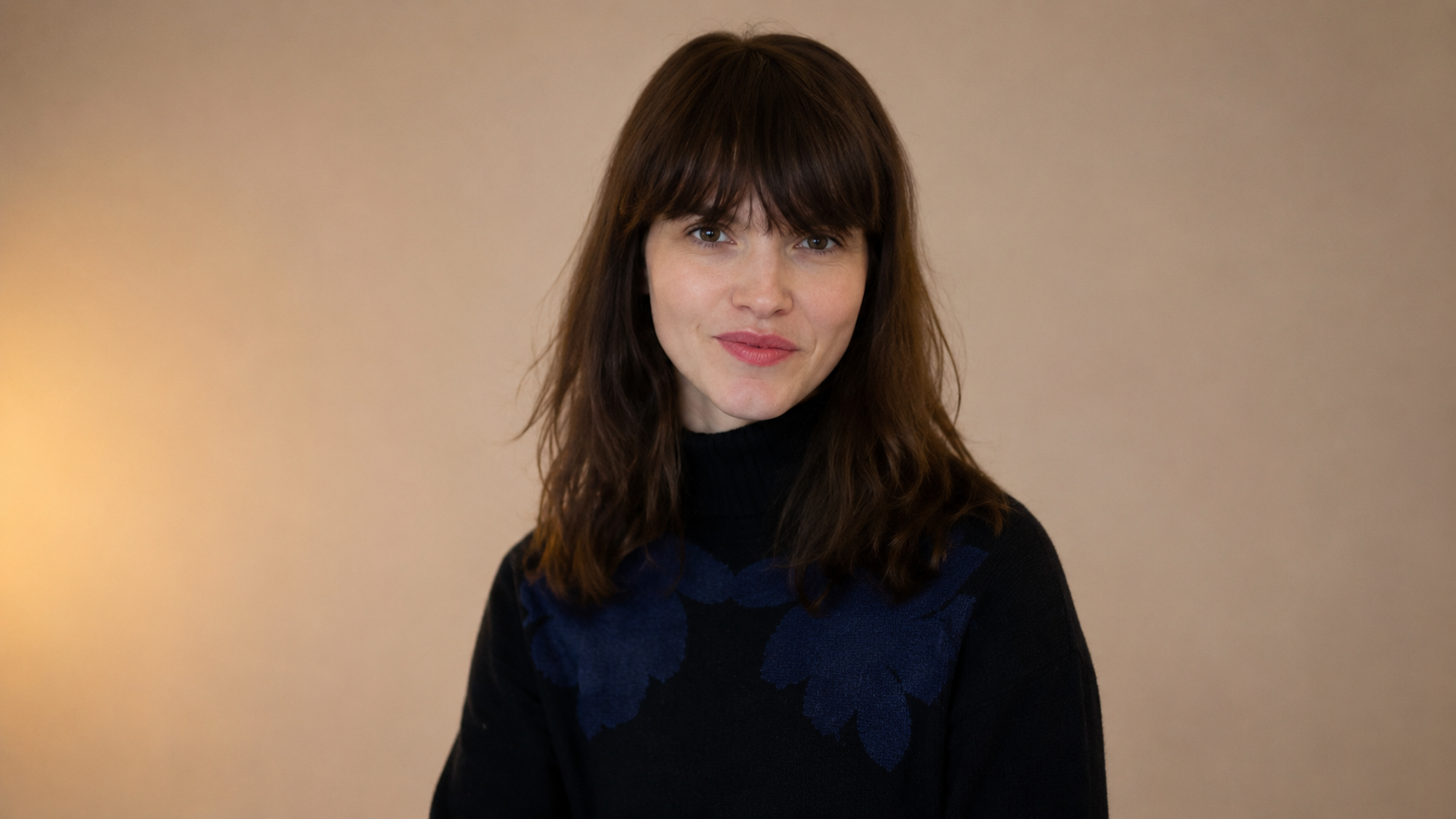
Minnie Weisz Biography is a British visual artist and photographer known for her highly experimental use of the camera obscura technique, where entire rooms or buildings are turned into working cameras. Her artistic practice blends photography, architecture, memory, and light into immersive visual installations that challenge how space is perceived and documented.
She has built a strong reputation in contemporary art circles across Europe, especially in London, where many of her site-specific projects are based. Although she is also known as the sister of actress Rachel Weisz, Minnie has established her own independent identity as an innovative conceptual artist working with architecture and analogue photography.
Early Life and Family Background
Minnie Weisz was born in December 1972 in London into a culturally rich European-Jewish family. Her birth name is Anna Alexandra Weisz, and she later adopted “Minnie Weisz” as her professional artistic identity. Her upbringing was deeply influenced by intellectual, artistic, and historical European traditions.
Her father, George Weisz, was a Hungarian-born mechanical engineer, and her mother, Edith Ruth Teich, was a Viennese teacher and psychotherapist. Her mother’s family fled Austria in 1938 due to Nazi persecution, a historical background that shaped Minnie’s awareness of memory, displacement, and historical spaces.
Education and Artistic Training
Minnie Weisz studied visual communication and design in London, completing a BA in Graphic and Media Design at the London College of Printing. She later earned an MA in Communication Art and Design from the Royal College of Art, where she developed her experimental approach to photography.
During her studies, she became interested in how images are formed and how space can itself become part of the photographic process. This academic foundation helped her move beyond traditional photography into installation-based and conceptual art practices.
Artistic Style and Philosophy
Minnie Weisz’s work focuses on architecture as a living archive of memory and human presence. She is interested in how buildings absorb traces of history, emotion, and transformation over time, especially during periods of abandonment or redevelopment.
Her philosophy treats photography not just as image-making but as a way of experiencing space. By merging architecture and optics, she creates work that blurs boundaries between reality, memory, and perception.
Camera Obscura Technique and Innovation
The core of her artistic identity is the camera obscura, an ancient optical system where light passing through a small hole projects an inverted image of the outside world inside a dark space. Minnie Weisz transforms entire rooms into these living cameras.
She seals architectural spaces and carefully controls light entry points, allowing the building itself to become a photographic instrument. Using analogue cameras, she captures these projections, producing surreal images where interior and exterior worlds merge.
Early Career Development
Minnie Weisz began her artistic career in the early 2000s, focusing on urban environments in London undergoing major transformation. She became especially interested in sites of demolition, redevelopment, and industrial decline.
These environments allowed her to experiment with camera obscura installations, turning abandoned or transitional buildings into temporary photographic studios. Her early work already reflected her ongoing interest in time, memory, and architectural change.
Major Projects and Exhibitions
In King’s Cross Stories, Minnie Weisz documented the transformation of London’s King’s Cross area during its major regeneration. She used camera obscura installations to capture projections of the changing urban environment inside architectural spaces.
The project revealed layers of history within the district, combining industrial heritage with modern redevelopment. It presented the city as a living, shifting organism rather than a static landscape.
The Diary of a Derelict Dairy
This project was created inside a former Express Dairy Depot in Bloomsbury before its redevelopment. Minnie Weisz transformed the abandoned building into a photographic environment, capturing its final moments before transformation.
The work explored themes of disappearance, memory, and architectural storytelling. It emphasized the emotional weight of spaces that are about to be erased or repurposed.
Ubi Sunt
In 2011, Minnie Weisz presented Ubi Sunt, a conceptual exhibition exploring absence, loss, and memory. The Latin phrase meaning “where are they?” reflects the work’s focus on disappearance and historical traces.
The installation used camera obscura techniques to create fragmented projections of architectural spaces. The result was a poetic reflection on impermanence and the fading presence of human history within buildings.
Architecture as Memory
Minnie Weisz treats architecture as a container of memory, where buildings retain traces of past human activity. Her work highlights how even abandoned spaces continue to carry emotional and historical significance.
She captures transitional moments when buildings are between uses, emphasizing their role as silent witnesses to urban evolution and personal histories.
Publications and Editorial Work
Alongside her artistic practice, Minnie Weisz has worked in editorial design and publishing. She has collaborated with Rizzoli International Publications on numerous high-profile books related to fashion, art, and cinema.
Her editorial projects include work on figures such as Matthew Williamson, Narciso Rodriguez, Norman Parkinson, and Wong Kar Wai. These collaborations demonstrate her strong visual storytelling skills beyond photography.
Relationship to Rachel Weisz
Minnie Weisz is often publicly associated with her sister Rachel Weisz, the Academy Award-winning actress. However, their careers are entirely separate, with Minnie focusing on visual art and Rachel on film and theatre.
Despite different professional paths, both sisters were raised in a creative and intellectually stimulating environment. This shared background influenced their respective artistic directions in distinct ways.
Recognition and Influence
Minnie Weisz has exhibited her work across Europe, including in London, Berlin, Arles, and Istanbul. Her installations have been featured in photography festivals and architectural exhibitions.
She is recognized for expanding the boundaries of photography by integrating architecture and optical science into artistic practice. Her work continues to influence experimental photographers and installation artists.
Personal Life and Working Practice
Minnie Weisz maintains a private personal life and focuses primarily on her artistic and editorial work. She lives and works in the United Kingdom, where she continues to develop site-specific installations.
Her process often involves working directly inside buildings, sometimes for extended periods, to transform them into camera obscura environments. This immersive method is central to her creative practice.
Legacy and Artistic Importance
Minnie Weisz’s legacy lies in her transformation of photography into a spatial experience. By turning architecture into a camera, she redefines how images are created and understood.
Her work bridges photography, architecture, and conceptual art, making her an important figure in contemporary experimental visual culture. She continues to influence artists exploring space, memory, and perception.
Conclusion
Minnie Weisz is a unique contemporary artist who has redefined photography through architecture and optical experimentation. Her camera obscura works transform physical spaces into living images that merge past and present.
Her career reflects a deep exploration of memory, urban change, and visual perception. While often associated with her sister, she has established a strong independent artistic identity.