Introduction
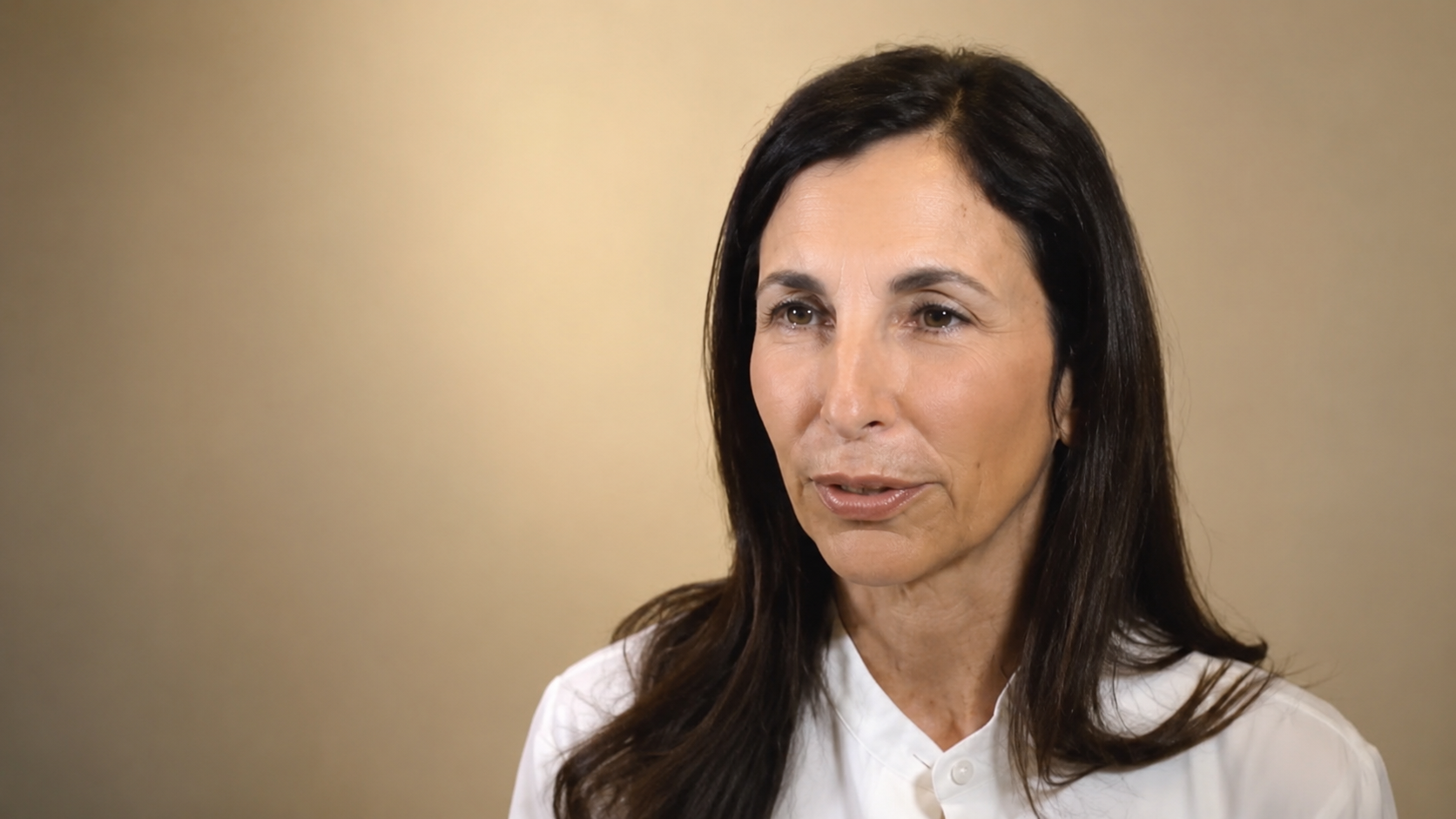
Melanie Sloan is an American attorney widely recognized for her influential role in government ethics reform and political accountability in Washington, D.C. She is best known as the founding executive director of Citizens for Responsibility and Ethics in Washington (CREW), a nonprofit watchdog organization dedicated to exposing corruption, conflicts of interest, and misconduct in U.S. politics. Her career places her at the intersection of law, media, and political oversight, making her one of the most prominent legal voices in government transparency debates.
Born on December 16, 1965, Sloan built her professional identity through decades of legal work in Congress, federal prosecution, and nonprofit advocacy. Over time, she became a frequent media commentator on issues involving ethics violations, lobbying influence, and executive accountability. Her work has consistently focused on ensuring that public officials are held responsible under the law, especially in cases involving abuse of power or misuse of public trust.
Early Life and Background of Melanie Sloan (Washington Roots & Family Influence)
Melanie Sloan was born in Washington, D.C., into a family deeply connected to law and public service. Her father worked at the U.S. Department of Justice, which exposed her early to legal institutions and government operations. She grew up in Wilmington, Delaware, where she was raised in an environment that emphasized civic responsibility, education, and ethical awareness.
Her upbringing played a significant role in shaping her worldview. Growing up near the political center of the United States, Sloan witnessed firsthand how government decisions affected society. This early exposure to law and public policy encouraged her interest in justice reform and accountability systems, laying the foundation for her later career as a legal advocate and ethics watchdog leader.
Education and Academic Foundation (University of Chicago Law Training)
Melanie Sloan pursued higher education at the University of Chicago, where she earned both her undergraduate degree and Juris Doctor (J.D.). The university is known for its rigorous academic environment and emphasis on analytical legal reasoning, which helped shape Sloan’s approach to law and policy analysis.
During her studies, she developed a strong foundation in constitutional law, criminal justice, and public policy. According to multiple biographical sources, this academic training played a key role in preparing her for a career in government service, where she would later work on high-profile legal and legislative matters involving federal law enforcement and congressional oversight.
Early Legal Career in Congress (House Judiciary & Senate Roles)
Before entering federal prosecution, Melanie Sloan served in several important legal roles within the U.S. Congress. She worked as counsel for the House Judiciary Committee, where she contributed to criminal justice policy development. She also served as counsel to the Crime Subcommittee chaired by then-Representative Charles Schumer and worked under Ranking Member John Conyers on legislative oversight matters.
In the Senate, Sloan served as nominations counsel for the Judiciary Committee under then-Chairman Joe Biden. During this period, she contributed to significant legislative efforts, including parts of the 1994 Crime Bill and the Violence Against Women Act. These roles gave her deep insight into how laws are created and how political negotiation shapes national policy outcomes.
Federal Prosecutor Career (Assistant U.S. Attorney in D.C.)
From 1998 to 2003, Melanie Sloan served as an Assistant United States Attorney in the District of Columbia. In this role, she prosecuted federal criminal cases, including matters involving violent crime, fraud, and public corruption. Her work as a federal prosecutor strengthened her courtroom experience and reinforced her understanding of how the justice system enforces accountability.
Her prosecutorial background became a defining part of her credibility later in her career. By working directly within the federal justice system, she gained firsthand experience with the limitations and strengths of law enforcement, particularly in politically sensitive cases involving government officials and institutional misconduct.
Founding of CREW (Citizens for Responsibility and Ethics in Washington)
In 2003, Melanie Sloan founded Citizens for Responsibility and Ethics in Washington (CREW), one of the most influential government watchdog organizations in the United States. CREW was created with the mission of promoting transparency, accountability, and ethical governance in federal institutions.
Under Sloan’s leadership, CREW quickly became known for filing ethics complaints, investigating political corruption, and challenging conflicts of interest involving members of Congress, executive officials, and lobbyists. The organization used legal action and media strategy together, making it one of the most visible watchdog groups in Washington.
CREW Investigations and Political Impact (High-Profile Ethics Cases)
During Sloan’s leadership, CREW became involved in several high-profile political investigations that shaped national debates about ethics in government. The organization targeted both Republican and Democratic officials, focusing on issues such as campaign finance violations, lobbying influence, and misuse of public office.
CREW’s aggressive legal strategy often placed it in the center of political controversy. Supporters viewed it as a necessary force for transparency, while critics accused it of partisan targeting. Nevertheless, its work significantly increased public awareness of ethics issues and contributed to broader discussions about reform in Washington politics.
The Plame Affair and Legal Representation in National Scandal Cases
One of the most notable moments in Melanie Sloan’s legal career was her involvement in the Valerie Plame CIA leak investigation. Sloan served as legal counsel connected to Joseph Wilson and Valerie Plame Wilson, whose covert CIA identity was leaked during a major political scandal involving the George W. Bush administration.
The case led to a federal investigation and the conviction of Lewis “Scooter” Libby for obstruction of justice. Sloan’s involvement placed her at the center of national debates about executive accountability, classified information misuse, and political retaliation. She argued strongly that government officials must be held responsible when they violate legal and ethical standards.
Media Presence and Public Commentary (CNN, MSNBC, NPR Appearances)
Melanie Sloan became a frequent media commentator on legal and political issues, appearing on major outlets such as CNN, MSNBC, NPR, ABC, CBS, and NBC. She was often invited to provide expert analysis on government corruption, ethics violations, and legal accountability cases.
Her media presence helped amplify CREW’s work and positioned her as a leading public voice in government ethics debates. She became known for direct, outspoken commentary on political misconduct, often criticizing both parties when ethical concerns were involved.
Controversies and Public Criticism (Media Conduct and Allegations)
Despite her influence, Sloan’s career has not been free from controversy. During the Plame case, a federal judge cautioned against public commentary that could affect ongoing legal proceedings. Critics argued that her media appearances sometimes blurred the line between legal advocacy and public opinion shaping.
In 2010, allegations surfaced regarding potential conflicts of interest involving student loan reform debates and lobbying groups. While investigations later found no wrongdoing, the controversy drew media attention and criticism from political opponents. These incidents highlight the challenges faced by public legal advocates operating in politically sensitive environments.
Departure from CREW and Later Professional Career
Melanie Sloan stepped down from her role as executive director of CREW in 2014. Her departure marked the end of an important era for the organization, which later underwent leadership changes. Despite leaving CREW, she remained active in government accountability work.
Afterward, she joined other ethics-focused initiatives, including advisory roles with organizations dedicated to transparency and legal reform. She also continued to contribute to public discourse on political accountability through media commentary and advisory work.
Melanie Sloan’s Role in Government Ethics Reform
Sloan’s most lasting contribution lies in her influence on modern government ethics enforcement culture. Through CREW and her earlier legal work, she helped shape how watchdog organizations operate in Washington, combining litigation strategies with media advocacy.
Her work contributed to increased scrutiny of political figures, expanded public awareness of corruption issues, and strengthened the role of nonprofit organizations in government oversight. She played a key role in making ethics enforcement more visible and publicly discussed.
Legacy and Influence of Melanie Sloan (Political Accountability Movement)
Melanie Sloan is widely regarded as one of the most influential legal advocates for government transparency in modern U.S. history. Her work helped define the role of watchdog organizations in political accountability and set standards for investigative legal advocacy in Washington.
Her legacy continues through the organizations she founded and influenced, as well as through the broader ethics reform movement. Whether viewed as a reformer, legal strategist, or controversial figure, Sloan’s impact on political accountability remains significant and widely recognized.
Conclusion
Melanie Sloan’s career reflects the complex relationship between law, politics, and public accountability in the United States. From congressional counsel to federal prosecutor to watchdog leader, she has consistently worked at the center of ethics enforcement and political transparency.
Her influence continues to shape discussions about government integrity, lobbying influence, and legal accountability. Through her work with CREW and beyond, she has left a lasting mark on how ethics violations are investigated and understood in American politics.