Introduction
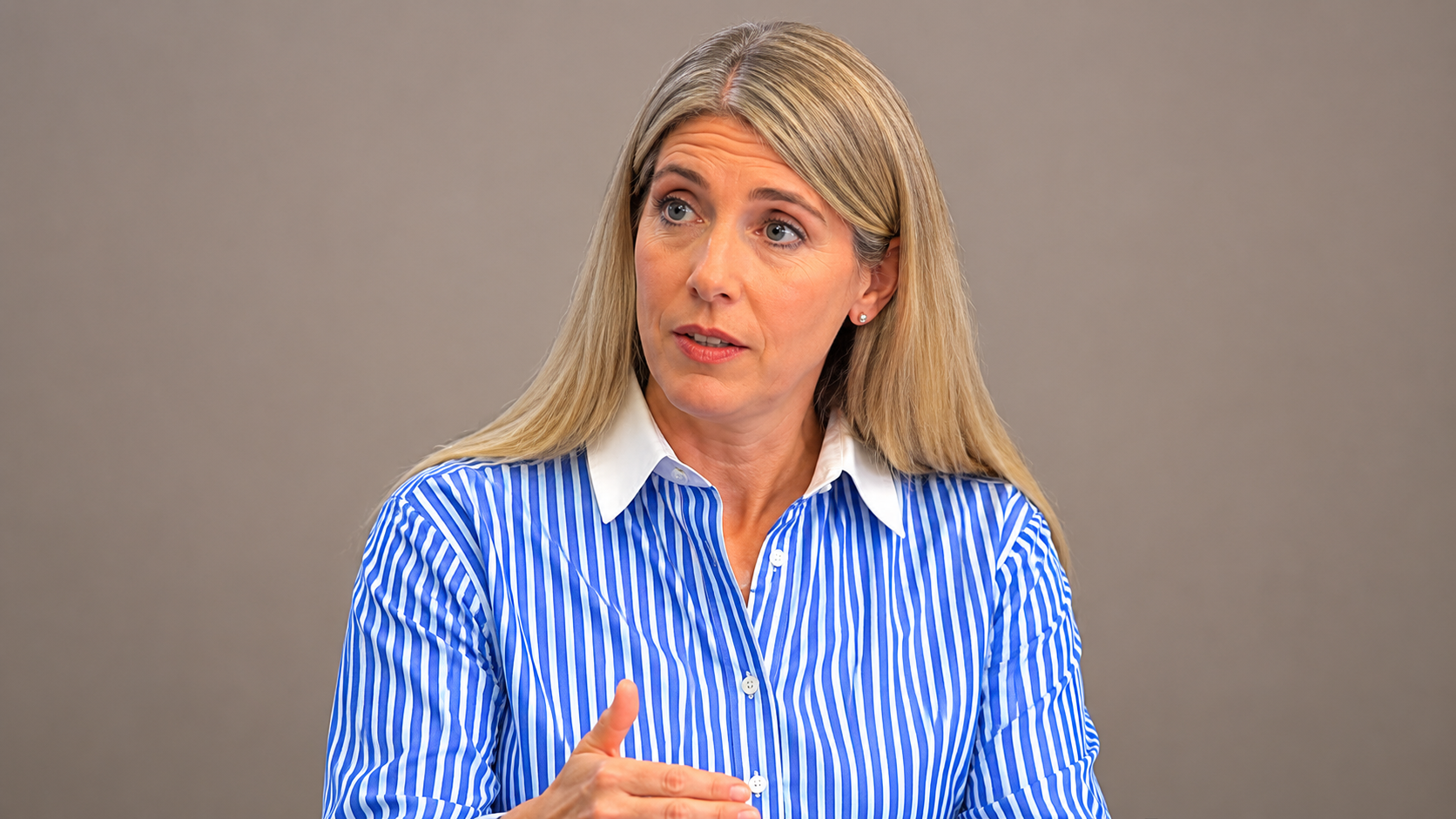
Judith Moritz is one of the most respected journalists working in British media today. Best known for her role as a BBC correspondent, she has spent decades covering some of the most significant stories in the United Kingdom. Her work has ranged from major criminal trials and public inquiries to national tragedies and political developments. Because of her frequent appearances on BBC News, many viewers have become curious about her background, personal life, and career journey. One of the most common questions searched online is regarding Judith Moritz’s age and the story behind her successful journalism career.
Over the years, Moritz has built a reputation for delivering accurate, balanced, and thoughtful reporting. Unlike many public figures, she keeps her private life largely out of the spotlight, which has only increased public interest in her biography. This article explores Judith Moritz’s age, early life, education, professional achievements, family life, husband, children, and her lasting impact on modern journalism.
Judith Moritz Age
Judith Moritz was born on March 12, 1977, in Manchester, England. Based on this reported birth date, she is 49 years old as of 2026. Her age often surprises viewers because she has maintained a prominent presence on British television for many years, giving the impression of a career that spans multiple generations of news reporting.
The interest in Judith Moritz’s age is closely connected to her extensive journalism career. Having reported on major national events for decades, she has become a familiar and trusted face for BBC audiences. Her long-standing experience in journalism demonstrates how she has steadily developed expertise in legal, investigative, and public affairs reporting throughout her professional life.
Early Life and Childhood
Judith Moritz was raised in Manchester, one of England’s most influential cultural and media cities. Growing up in the North of England exposed her to diverse communities, social issues, and regional perspectives that would later influence her reporting style. Manchester’s rich history, vibrant culture, and strong journalism tradition provided an environment that encouraged curiosity and awareness of current affairs.
As a child, Moritz reportedly showed an interest in reading, writing, and storytelling. These early interests helped lay the foundation for her future career in journalism. While many children dream of becoming entertainers or athletes, Moritz developed a fascination with news and communication, eventually leading her toward a profession dedicated to informing the public.
Education and Academic Background
Judith Moritz attended Withington Girls’ School, a highly regarded independent school in Manchester known for academic excellence. The school has produced many successful professionals in fields ranging from science and politics to media and business. Her education there helped develop the intellectual discipline and communication skills that would later define her journalism career.
After completing her school education, Moritz attended University College London (UCL), where she studied English Literature. Her university studies strengthened her analytical abilities and understanding of language, both of which became valuable assets in her reporting career. During her time at university, she also became involved in student journalism, gaining practical experience that confirmed her desire to work in news media.
The Beginning of Her Journalism Career
Like many successful journalists, Judith Moritz did not immediately become a national correspondent. She began by gaining practical experience through placements and newsroom opportunities. Early exposure to media organizations allowed her to understand how news gathering, reporting, and broadcasting operated behind the scenes.
One of her early professional experiences involved working with Granada Television. This role provided valuable insight into television journalism and helped her develop the confidence necessary for a broadcasting career. Rather than following a purely academic path, Moritz focused on gaining hands-on newsroom experience, which proved instrumental in shaping her future success.
Joining the BBC
The BBC became the organization where Judith Moritz would establish her reputation and build a distinguished career. After joining the broadcaster, she worked in various reporting roles that allowed her to gain experience across multiple news sectors. Her dedication, professionalism, and ability to communicate complex stories clearly helped her rise through the ranks.
As her career progressed, she became increasingly involved in high-profile reporting assignments. Her ability to handle sensitive stories with care and accuracy earned the trust of editors and audiences alike. Eventually, she became one of the BBC’s most recognizable correspondents, frequently appearing on national television and radio broadcasts.
Rise to National Recognition
Judith Moritz gained national recognition through her coverage of major legal cases, public inquiries, and criminal investigations. Her reporting style is characterized by clarity, precision, and a calm on-screen presence. These qualities helped distinguish her from many other journalists and contributed to her growing reputation within British media.
As audiences became familiar with her work, she emerged as a trusted source of information during complex and often emotional news events. Her ability to explain legal developments and investigative findings in an understandable way made her reporting particularly valuable during major national stories that required careful analysis and context.
Coverage of Major News Stories
Throughout her career, Moritz has covered numerous significant events that have shaped modern British history. Her reporting has included investigations into major crimes, public inquiries, terrorism-related incidents, and stories involving public accountability. These assignments required not only journalistic skill but also sensitivity toward victims and affected communities.
Many of the stories she has covered involved extensive legal proceedings and complex evidence. Such reporting demands a deep understanding of legal systems, court procedures, and ethical journalism standards. Moritz’s success in these areas helped establish her as one of the BBC’s leading specialists in legal and investigative journalism.
Expertise in Court and Legal Reporting
One of Judith Moritz’s greatest professional strengths is her expertise in legal reporting. Court reporting requires exceptional attention to detail because journalists must accurately communicate legal developments while respecting strict reporting restrictions and judicial processes. Moritz has demonstrated these skills consistently throughout her career.
Her ability to explain complicated legal matters in a straightforward manner has made her particularly valuable during high-profile criminal trials. Audiences often rely on journalists like Moritz to understand legal proceedings that can otherwise seem confusing or inaccessible. Her work has helped bridge the gap between the legal system and the general public.
Reporting Style and Professional Reputation
Judith Moritz is widely respected for her balanced and factual reporting style. Rather than focusing on sensationalism, she prioritizes accuracy and context. This approach reflects the traditional principles of public-service journalism and has contributed significantly to her credibility among viewers and colleagues.
Her calm delivery and thoughtful analysis allow audiences to focus on the facts rather than the personality of the reporter. In an age of rapidly changing media and constant information flows, this commitment to clear and responsible journalism has become increasingly valuable. Her reputation is built on consistency, professionalism, and trustworthiness.
Judith Moritz Husband
Public information indicates that Judith Moritz is married to Nicholas Garnett, commonly known as Nick Garnett. Like Moritz, Garnett has built a successful career in journalism and broadcasting. Their shared professional background has given them a unique understanding of the demands and challenges associated with media careers.
Despite their public-facing professions, both Moritz and Garnett have generally chosen to keep their personal lives private. They rarely discuss family matters in interviews or public appearances. This decision reflects their preference for maintaining a separation between professional responsibilities and personal relationships.
Family Life and Children
Judith Moritz is believed to be the mother of two daughters. Although some information about her family has appeared in public sources, she has consistently protected her children from media attention. This commitment to privacy demonstrates her desire to provide her family with a normal life away from public scrutiny.
Balancing a demanding journalism career with family responsibilities can be challenging, particularly for correspondents who often cover major events and breaking news stories. Moritz’s ability to maintain both a successful professional career and a private family life highlights her dedication and organizational skills.
Personal Interests and Life Away from Journalism
While Judith Moritz is widely known for her reporting, relatively little is publicly available about her hobbies and personal interests. This limited information reflects her preference for maintaining privacy rather than cultivating a celebrity image. Unlike many public figures, she focuses public attention on her work rather than her personal activities.
Those who have followed her career often note her professionalism and commitment to journalism. Rather than seeking publicity, she appears to prioritize reporting stories accurately and serving the public interest. This approach has contributed significantly to her respected status within British media.
Achievements and Career Milestones
Over the years, Judith Moritz has achieved numerous professional milestones. Her work on major investigations and legal cases has contributed to some of the BBC’s most significant news coverage. These achievements reflect not only her journalistic abilities but also her persistence and dedication to uncovering important stories.
Her career demonstrates how expertise develops through years of experience. By consistently covering complex subjects and maintaining high professional standards, Moritz has become a leading figure in British journalism. Her contributions continue to influence how major stories are reported and understood by the public.
Influence on Modern Journalism
Judith Moritz represents a generation of journalists who emphasize factual reporting, careful investigation, and public accountability. Her work highlights the importance of specialist journalism in helping audiences understand complex issues. Whether covering criminal trials or public inquiries, she provides context that enables viewers to grasp the broader significance of events.
As journalism continues to evolve in the digital age, professionals like Moritz demonstrate the enduring value of accuracy and expertise. Her career serves as an example for aspiring journalists who wish to build credibility through hard work, integrity, and commitment to public service.
Legacy and Future Prospects
Judith Moritz has already established a remarkable legacy within British journalism. Her contributions to investigative and legal reporting have informed millions of viewers and enhanced public understanding of important national issues. Her work demonstrates the impact that dedicated journalism can have on society.
Looking ahead, Moritz is likely to remain an influential figure in news reporting. Her experience, expertise, and credibility ensure that she continues to play an important role in covering significant events. As journalism faces new challenges and opportunities, her commitment to accuracy and public service remains as relevant as ever.
Conclusion
Judith Moritz is far more than a BBC correspondent whose age attracts online searches. Born in Manchester in 1977 and now 49 years old, she has built a distinguished journalism career through dedication, expertise, and professionalism. From her education at University College London to her extensive work covering major legal cases and national events, her journey reflects years of commitment to high-quality journalism.
Her achievements, family life, and influence on modern reporting make her one of Britain’s most respected media professionals. While she remains private about personal matters, her public contributions continue to speak for themselves. For audiences seeking trustworthy journalism and insightful reporting, Judith Moritz remains a powerful example of excellence in the field.